Why More Premium Perfume and Wine Brands Use metal labels for glass bottles
A practical guide to choosing metal stickers, brass tag designs, custom metal tags, and alloy labels for premium glass bottle packaging.
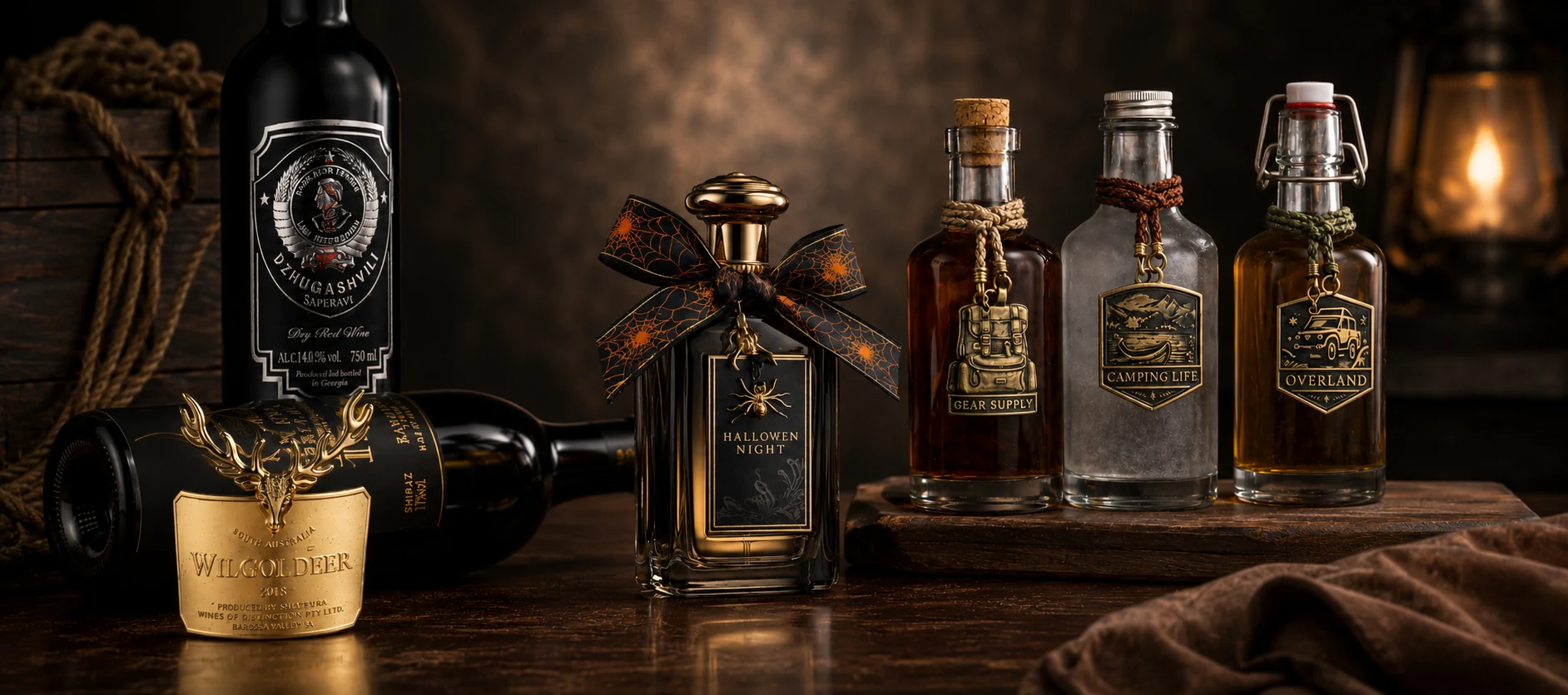
Glass bottle packaging has always carried a special kind of pressure. The bottle has to feel elegant before anyone opens it, and the label often does the first round of selling. That is why more fragrance, wine, spirits, and specialty food brands are moving beyond paper labels and choosing metal labels for glass bottles for a richer, more tactile look.
The right metal detail can make a plain bottle feel more collectible, more giftable, and more premium. Flexible aluminum labels, pewter-style badges, a vintage brass tag, or heavier zinc alloy labels can all work beautifully, but each material fits a different bottle shape, brand position, and application method.
This guide is written for brand owners, packaging buyers, designers, and sourcing teams who want to understand where metal stickers and custom metal tags work best, how to choose the right material, and what details to confirm before production.
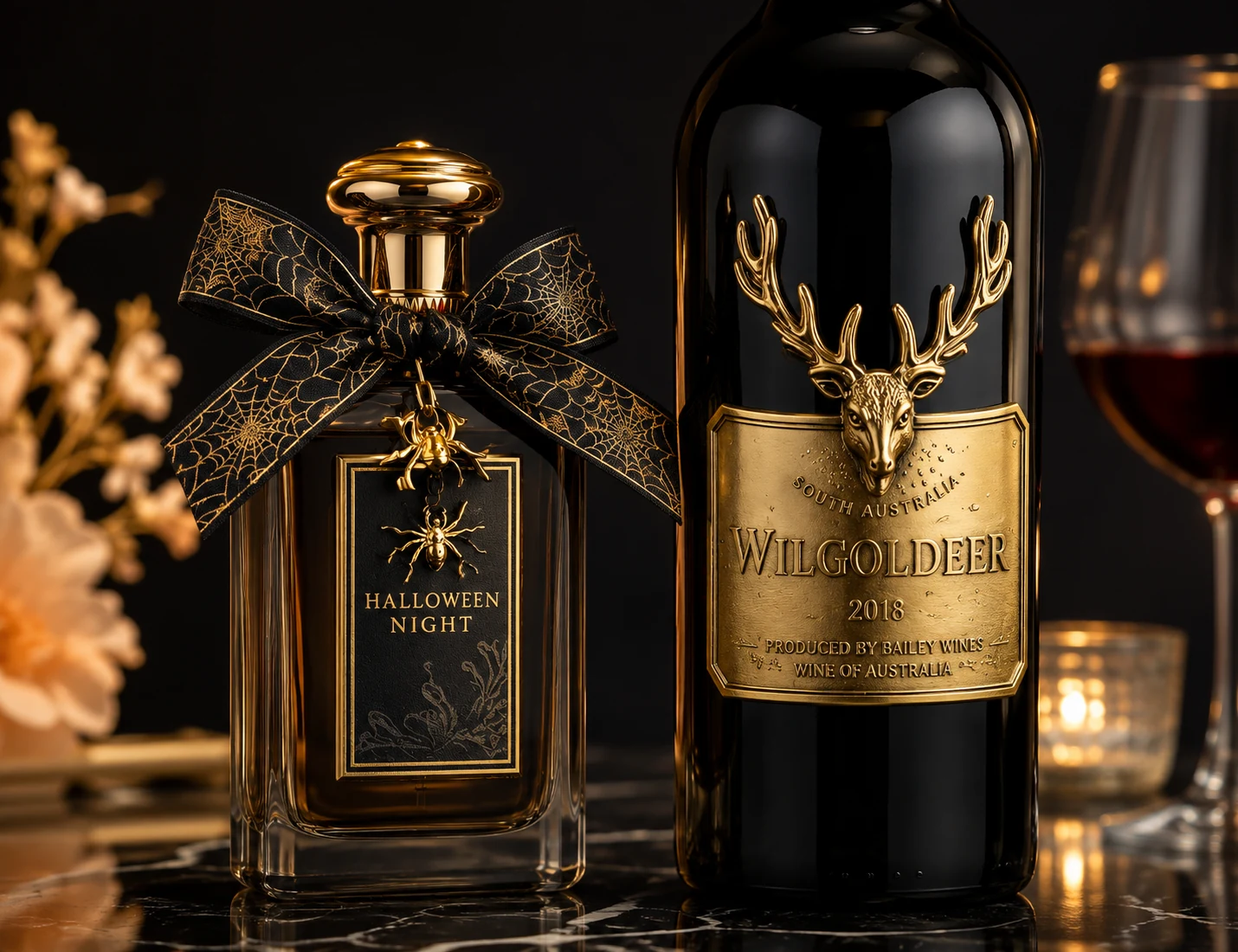
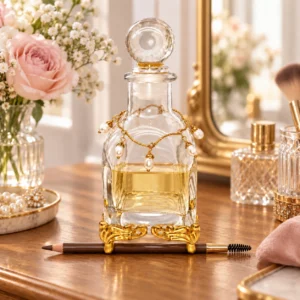
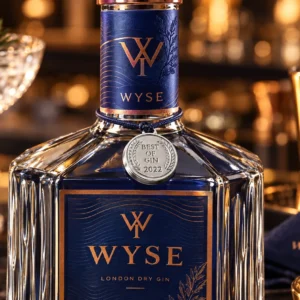
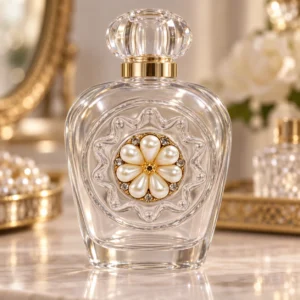
For perfume packaging, custom metal tags can help create a jewelry-like finish around the bottle body, bottle neck, or cap area. For wine and spirits, a metal badge or brass tag can make the bottle feel more ceremonial, especially for limited editions, reserve collections, anniversary releases, and gift sets.
Metal labels are also useful when a brand wants to refresh an existing bottle design without developing a new glass mold. By changing the metal label shape, finish, texture, or placement, the same bottle can be repositioned for a seasonal release, private label project, or premium retail channel.
More metal label products
Visit our product page to view more metal label
products and get detailed information.
Common Materials and Best-Use Recommendations
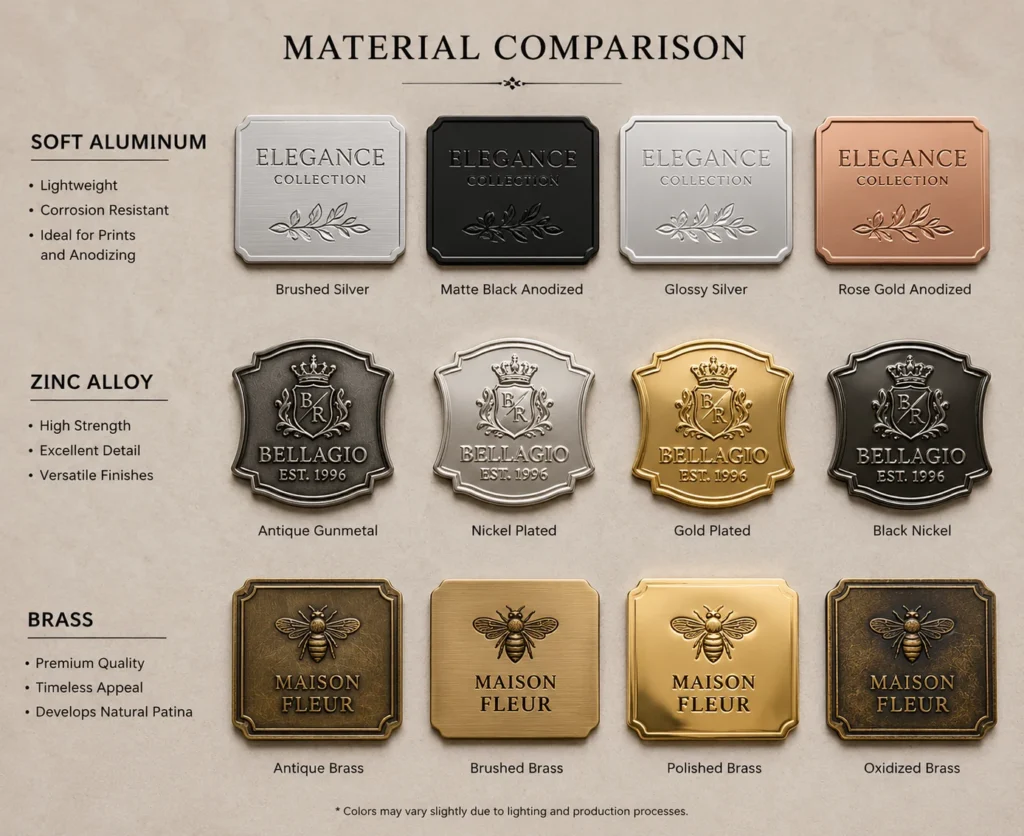
Soft Aluminum: Soft aluminum is often used for flexible metal stickers because it is lightweight, bendable, and easy to fit onto cylindrical glass bottles. It is a practical choice for bottle bodies, curved front labels, small perfume bottles, and designs that need a clean metal look without too much weight.
Pewter and Zinc Alloy: Pewter-style materials and zinc alloy are better suited for thicker medallions, premium badges, and heavier decorative pieces. These alloy labels are often used around bottle necks, bottle mouths, body plaques, or pendant-style decorations for luxury spirits and craft liquor packaging.
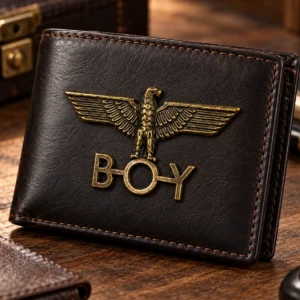
Brass and Copper: Brass and copper bring a warmer, more classic feeling. A brass tag works especially well when the brand wants a vintage, old-European, handcrafted, or heritage-inspired look. It pairs beautifully with amber glass, dark green glass, matte black boxes, leather-textured packaging, and deep fragrance tones.
If your bottle design needs a light, close-fitting label, choose soft aluminum or thin metal stickers. If you want a heavy premium emblem, choose zinc alloy labels. If your brand story leans toward vintage, craft, heritage, or luxury gifting, a brass tag is often a strong direction.
Surface Finishes That Change the Bottle Personality
Surface finish plays a big role in how metal labels for glass bottles feel. A brushed silver finish can look clean and modern. Mirror gold feels bright, premium, and gift-ready. Antique bronze or antique copper gives a more nostalgic and handcrafted mood. Light texture can soften reflection and make the label feel more refined.
For fragrance brands, mirror gold or brushed silver metal stickers often match clear glass, frosted glass, or transparent colored perfume bottles. For wine and spirits, antique brass, antique copper, and textured alloy labels can create more depth and a stronger shelf presence.
Instead of choosing a finish only because it looks attractive, match it to the product story. A floral perfume may suit soft gold or champagne plating, while a smoky whisky may look stronger with antique brass or darkened metal texture.
Application Scenarios and Matching Ideas
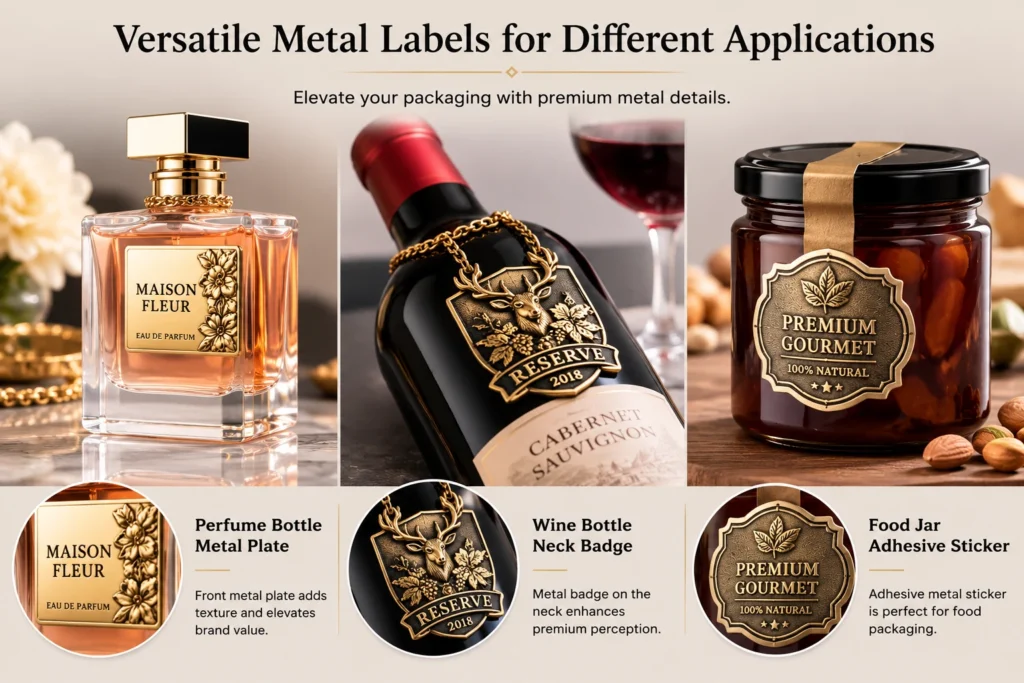
Perfume Bottles: On perfume bottles, metal labels for glass bottles can be used as front logo plates, small neck charms, cap decorations, or delicate side badges. Thin metal stickers are suitable for curved surfaces, while a small brass tag can add a boutique, handmade, or collection-grade feeling.
Wine and Spirits Bottles: For wine, whisky, brandy, gin, and craft spirits, alloy labels can create a heavier and more ceremonial look. They work well as shoulder badges, neck labels, bottle-mouth decorations, or hanging plaques. These styles are useful for gift editions, tasting-room releases, private label collections, and premium retail packaging.
Specialty Food and Gift Packaging: Metal labels are not only for fragrance and liquor. They can also elevate olive oil bottles, sauce bottles, honey jars, candle jars, and specialty gift boxes.For gourmet and lifestyle brands, custom metal tags can make the product feel more collectible and suitable for gifting.
Adhesion, Curvature, and Practical Performance Tips
Good-looking metal labels still have to survive real packaging conditions. A glass bottle may face moisture, cold storage, hand contact, condensation, or even an ice bucket. For this reason, adhesive strength is not a small detail; it is one of the most important parts of the design.
For metal stickers and heavier metal pieces, industrial-grade waterproof adhesive or foam backing can help prevent sliding, lifting, or falling off. Before application, the glass surface should be cleaned with alcohol to remove oil, dust, and fingerprints so the adhesive can bond properly.
Bottle curvature also matters. For small bottles, flexible or pre-curved thin-wall metal parts, often around 0.2 mm to 0.5 mm, can reduce the risk of lifted edges. If the bottle has a strong curve, do not approve the label only from a flat artwork file. Always test a physical sample on the actual bottle.
How to Customize custom metal tags for Your Bottle Project
When developing custom metal tags, the most helpful starting point is a clear idea of the bottle surface, label position, thickness preference, finish direction, adhesive method, and target packaging style. Even a rough sketch can help the supplier understand whether the project needs flexible metal stickers, raised alloy labels, or a small brass tag.
For a faster quotation, prepare the bottle photo, bottle diameter or curvature, label size, logo file, material preference, surface finish, quantity, target market, and any packaging tests you need. If the bottle will be chilled, placed in an ice bucket, shipped overseas, or handled frequently, mention that early.
A good custom label should not only match the artwork. It should also match the glass shape, the hand feel, the product price point, and the way the customer will use the product after purchase.
Final Recommendation
If your product already uses a beautiful glass bottle, metal labels for glass bottles can be one of the most efficient ways to make it feel more premium. For sleek and flexible decoration, choose metal stickers. For a classic luxury mood, try a brass tag. For a bolder, heavier, more medal-like finish, consider alloy labels. For brand-specific shapes and finishes, develop custom metal tags that match your exact bottle and packaging story.
Have an idea for your next custom project? Whether you already have a clear design, a rough sketch, or just an early concept, feel free to contact us through the details below. Our team will review your request carefully and get back to you within 24 hours.
Email: sales012@wysecn.com
Website: https://buttonarea.com
WhatsApp: +86 13688844607